
 Image 1 of 8
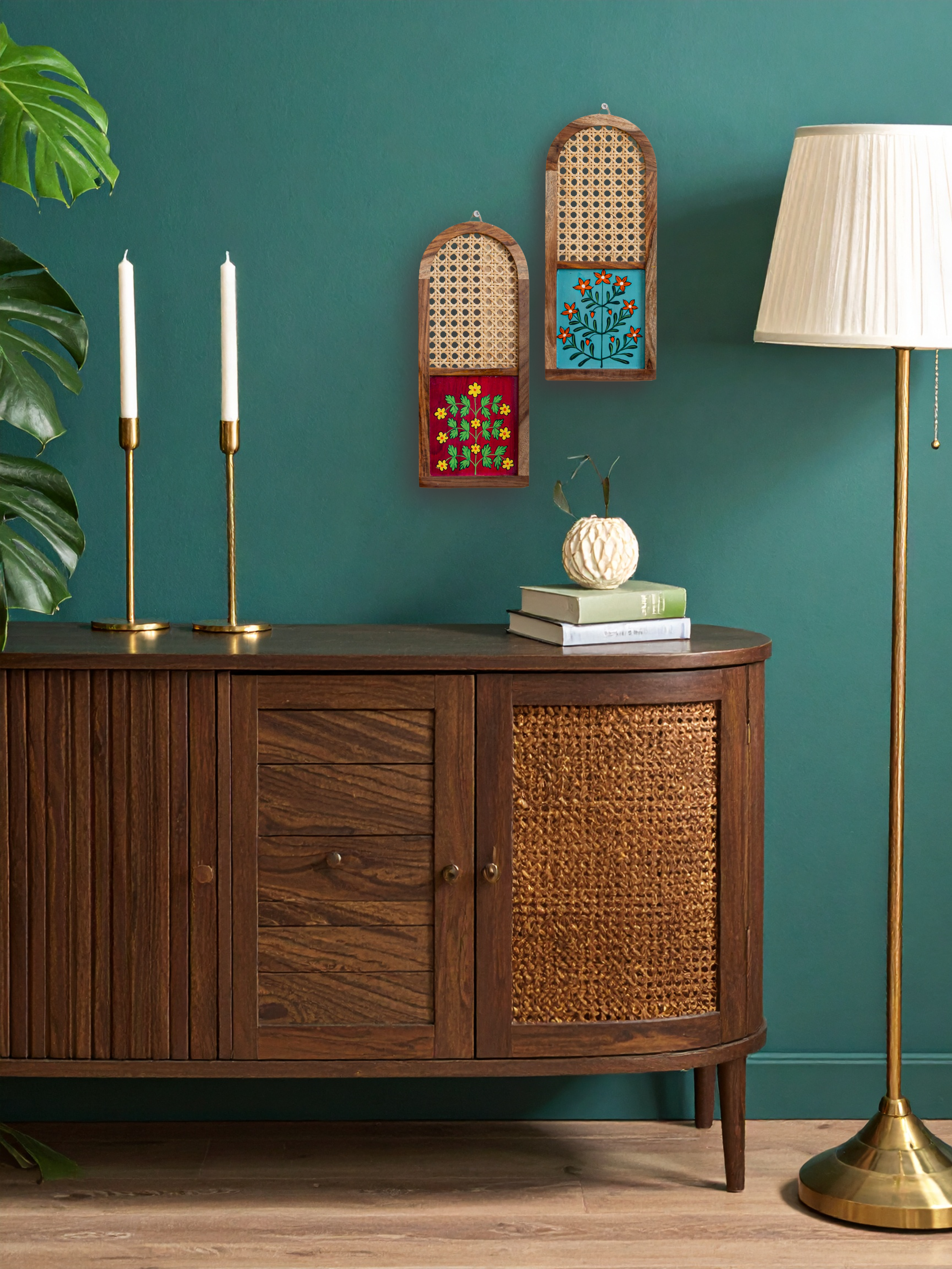 Image 2 of 8
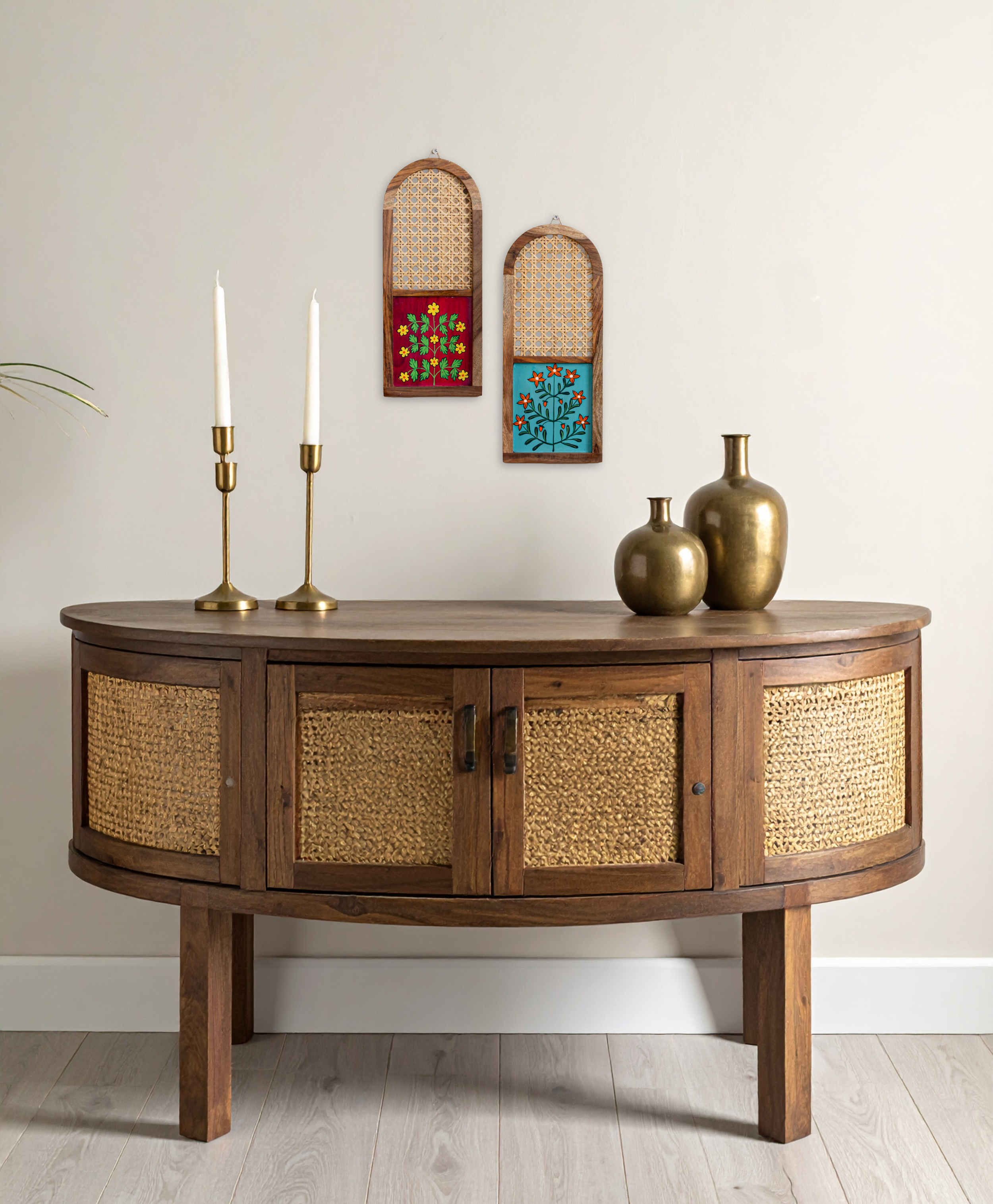 Image 3 of 8
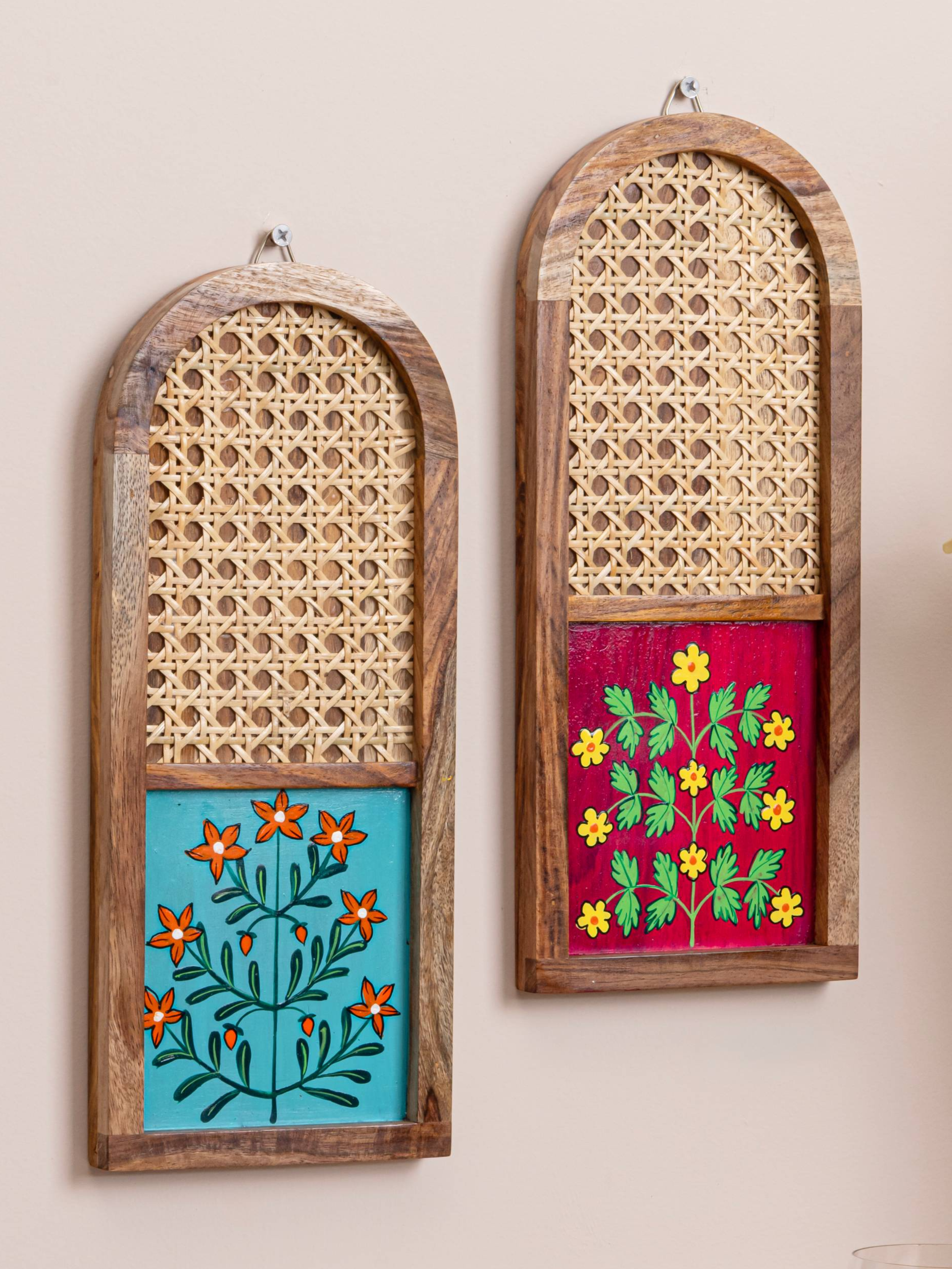 Image 4 of 8
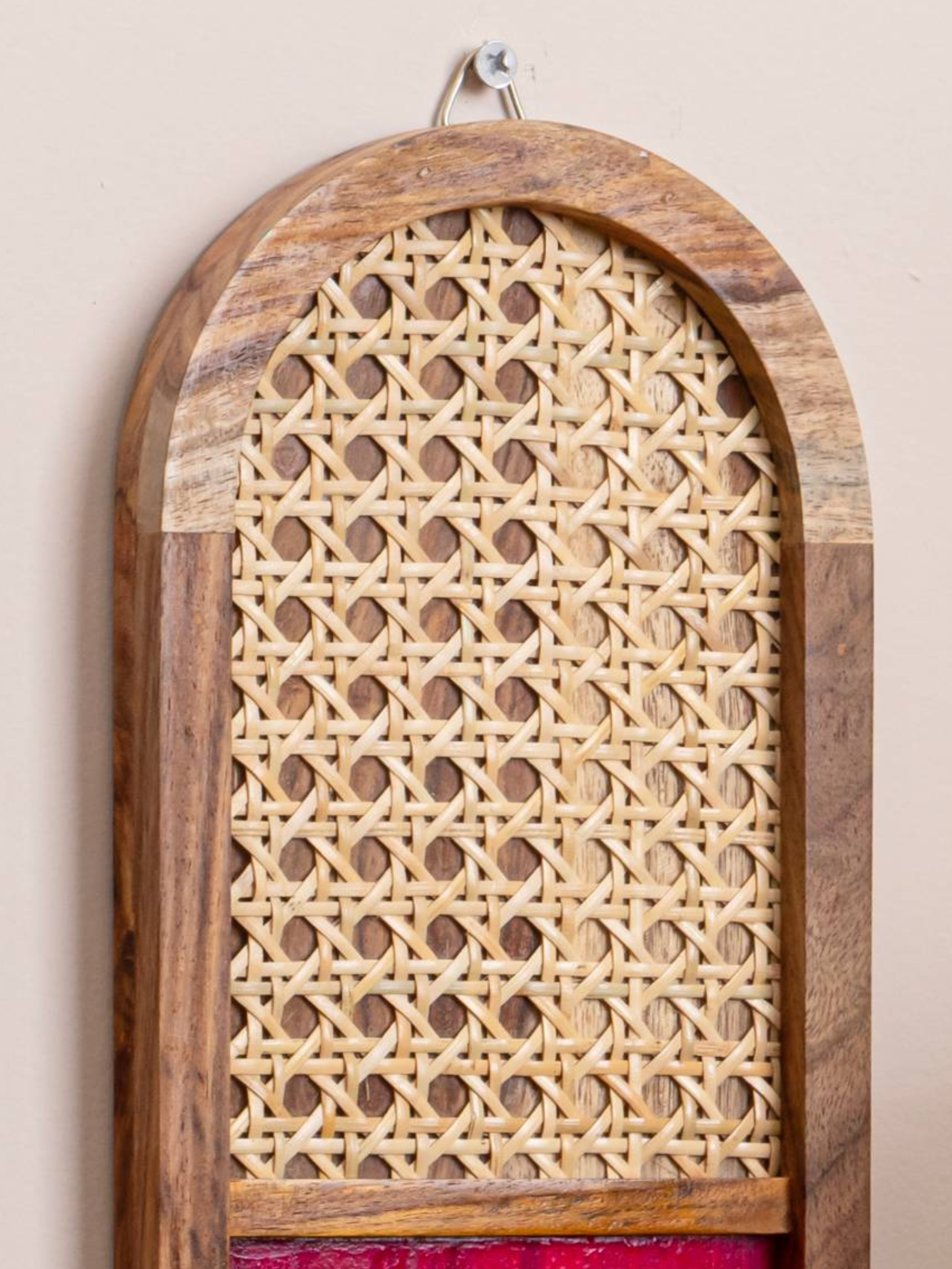 Image 5 of 8
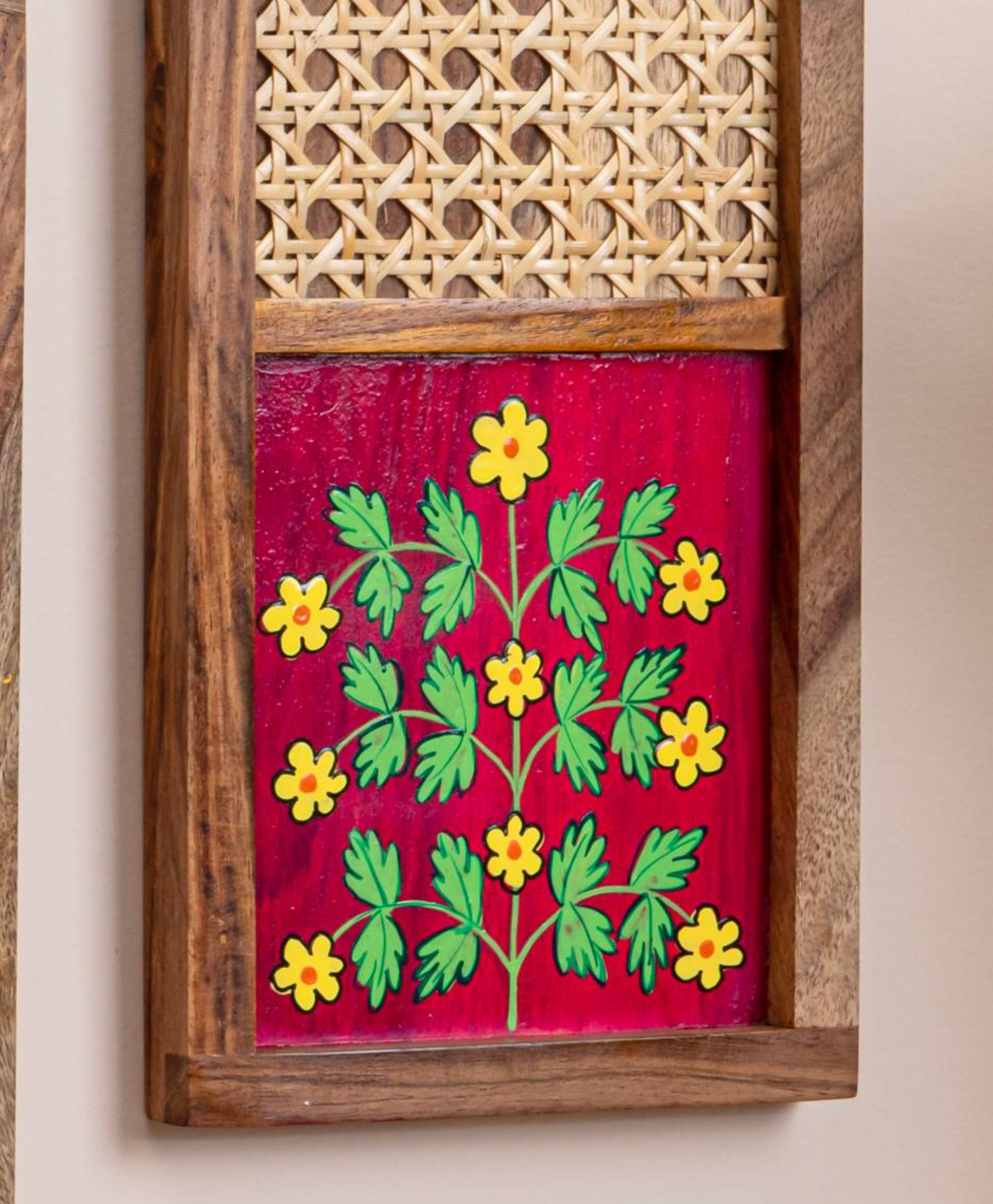 Image 6 of 8
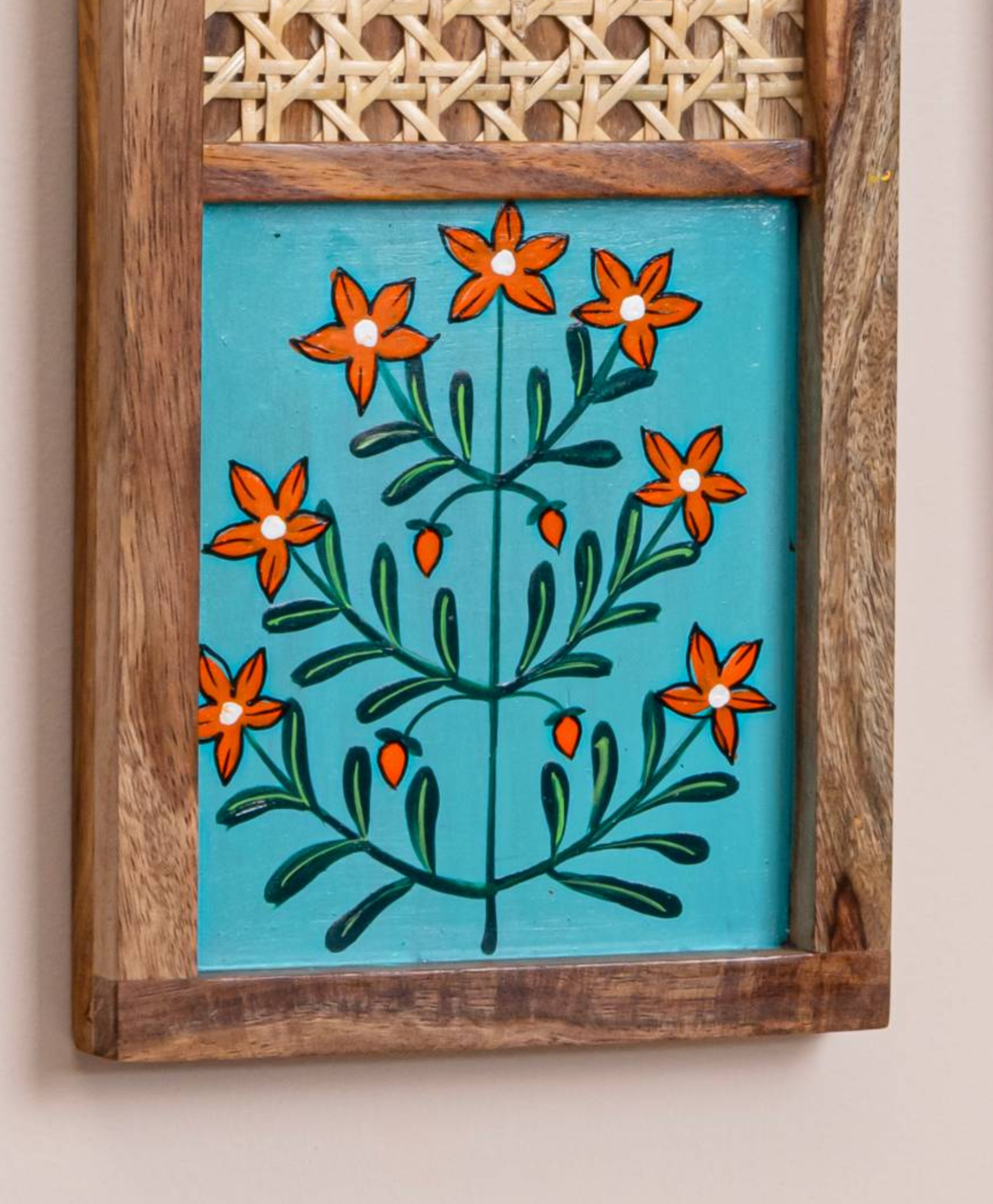 Image 7 of 8
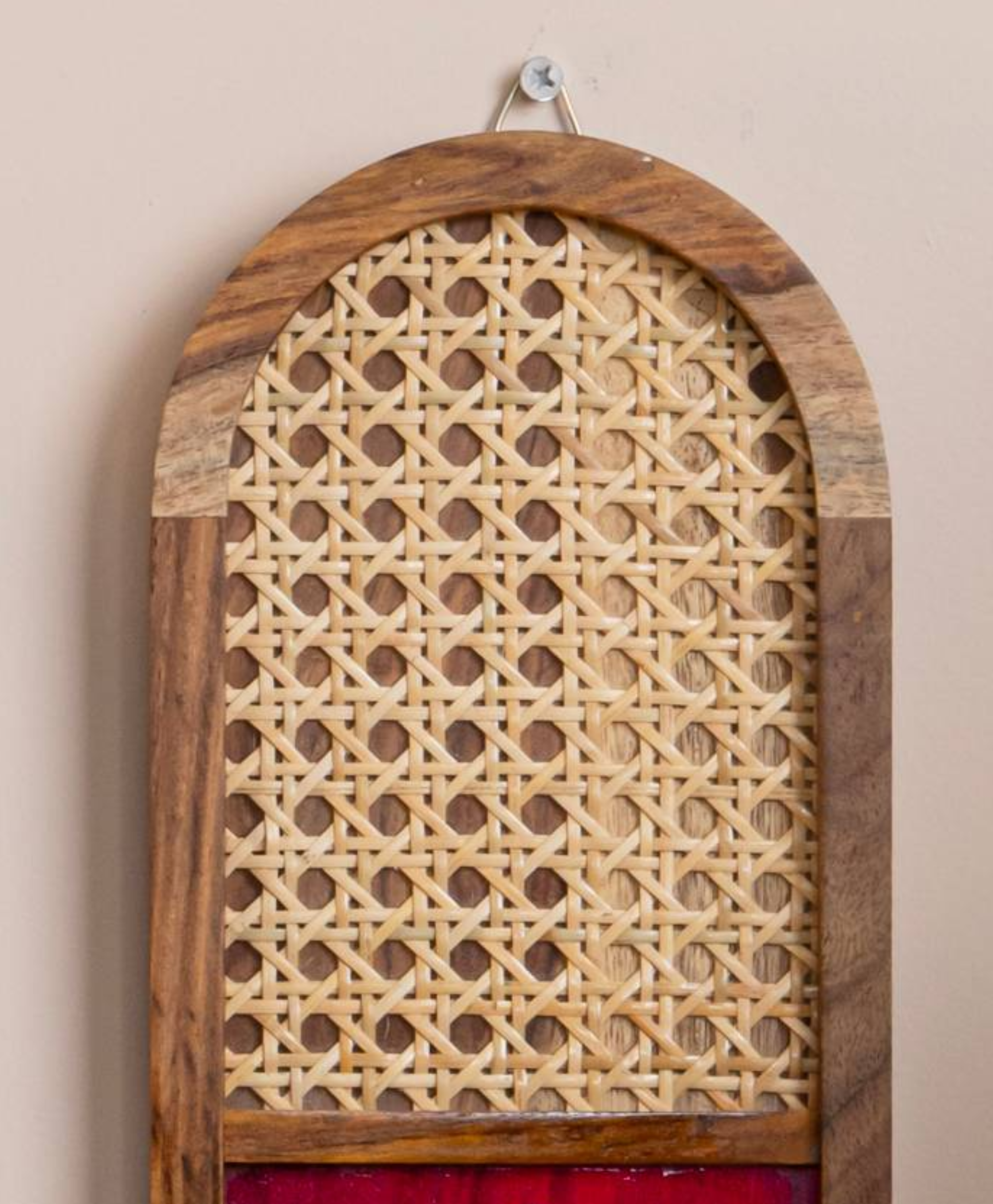 Image 8 of 8
The Pichwai Tradition: Where Faith Meets Art
Rooted in the temple town of Nathdwara, Pichwai paintings are more than art—they are expressions of devotion. Traditionally displayed behind the idol of Shrinathji, these intricate textiles form an essential part of temple rituals and seasonal celebrations. The name itself translates to “that which hangs behind,” but their role goes far deeper—serving as a visual anchor for reflection and prayer. Every detail, from the central figure to the surrounding natural elements, carries layered symbolism, weaving together storytelling, spirituality, and craftsmanship.
Shrinathji: The Spirit of Divine Childhood
At the heart of these paintings is Shrinathji, a beloved form of Lord Krishna depicted in his youthful grace. Inspired by his time in Vrindavan, this imagery reflects moments of joy, playfulness, and divine charm shared with the gopis. Yet beneath the lightness lies a deeper essence—one of compassion, wisdom, and enduring spiritual love. Shrinathji becomes both a presence and a reminder—of faith, of connection, and of the quiet power of devotion that transcends time.
-
Just wipe it with a soft cloth – like you’re cleaning fancy sunglasses. It is pretty low maintainence unlike Monica! (IYKYK).
-
Yes! It is true! There is no minimum order value to qualify for FREE Shipping. All we ask for is some patience, while our artisans craft this tray with love, care and lacquer!
-
We use high quality foil paper to wrap your thoughtfully selected gifts for your friends & family. Any message you’d like to include is hand- written on a hand- made paper base notecard. See examples.
-
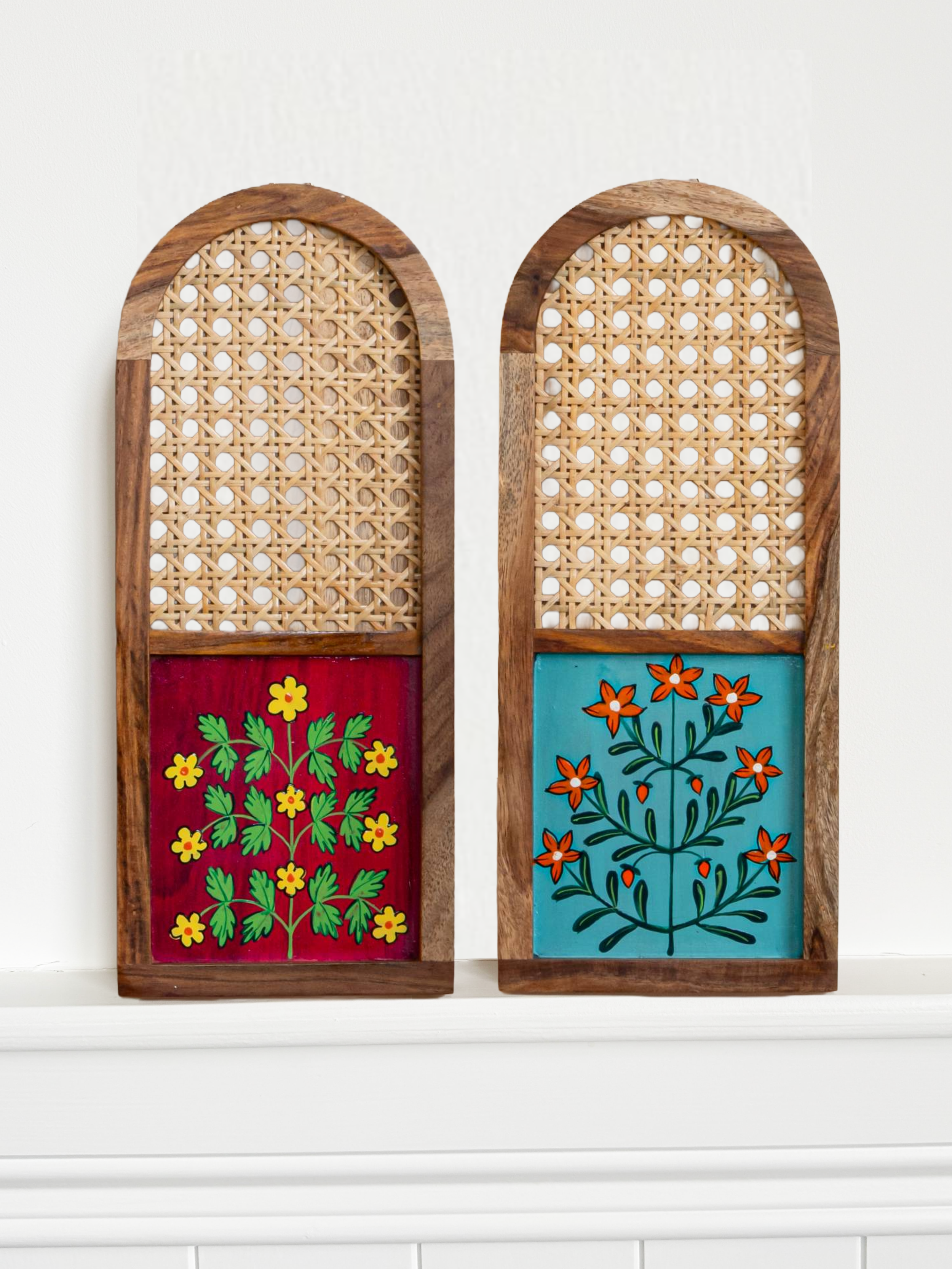
A memorable keepsake for guests, these Pichwai wall frames are ideal party favors to remember your special day. If you're ordering over 10 items, get in touch to discuss timelines before we start getting to work.
-
“Have nothing in your house that you do not know to be useful, or believe to be beautiful.” — William Morris
With that said, although we can assure you this is all beautiful, we understand at times things do not work out, and for that we are happy to offer an exchange or refund within 7 days of delivery for non-personalised/ bespoke purchases. Read more on our Returns Policy.
In collaboration with the artists at Mirai Woods